-
Pray for Them Anyway
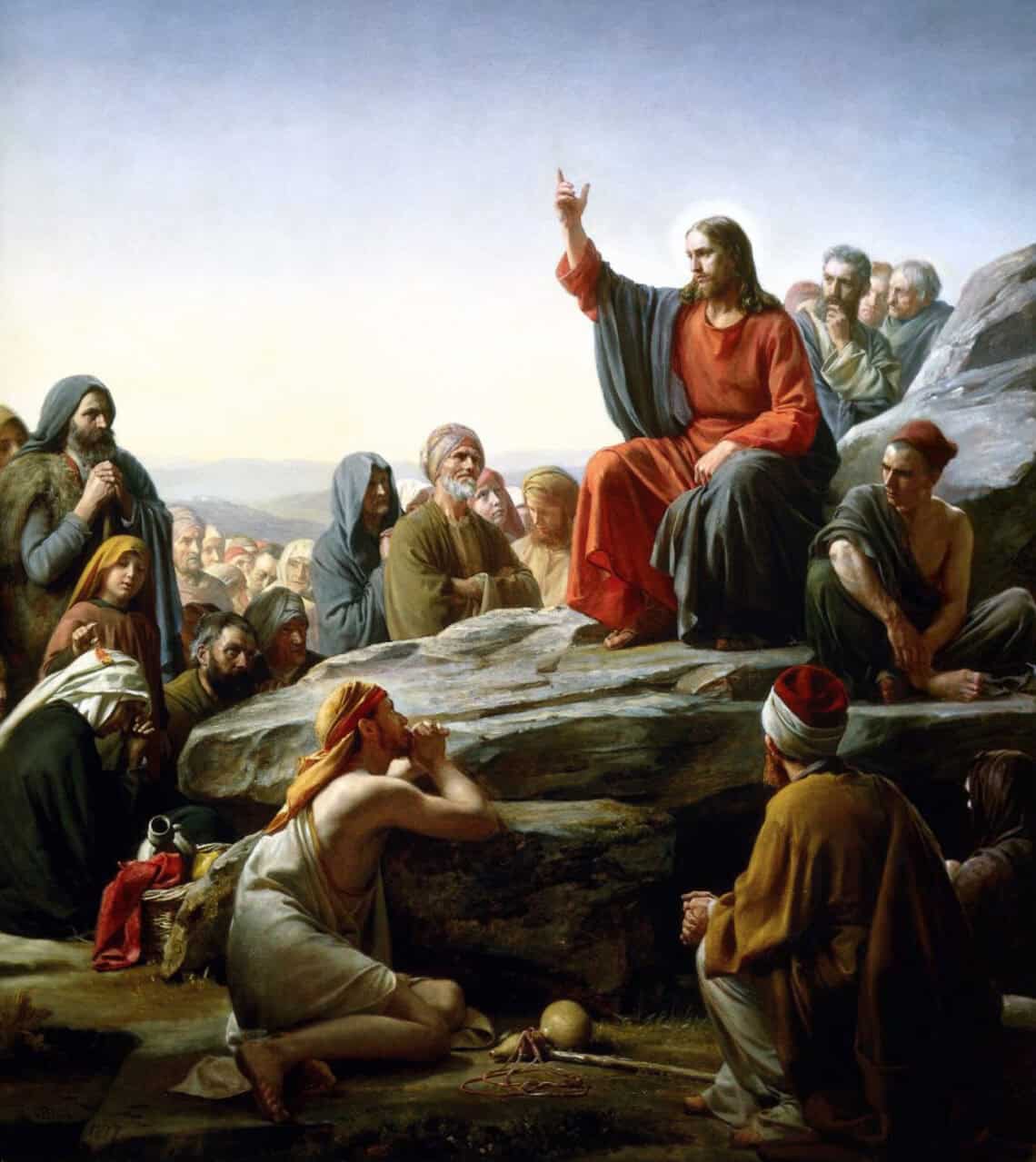
Jesus did not say pray for the people you agree with. He said pray for your enemies. That command is harder than it sounds and easier than we are making it. The Command We Would Rather Skip It is right there in the Sermon on the Mount, plainly stated, no room for creative interpretation: You have heard that it was said, love your neighbor and hate your enemy. But I say to you, love your enemies and pray for those who persecute you. I will be honest with you. Sometimes I do not want to. Not because I think Jesus is wrong. Not because I have worked out a sophisticated…
-
He Has Been Here the Whole Time: An Introduction to the Holy Spirit
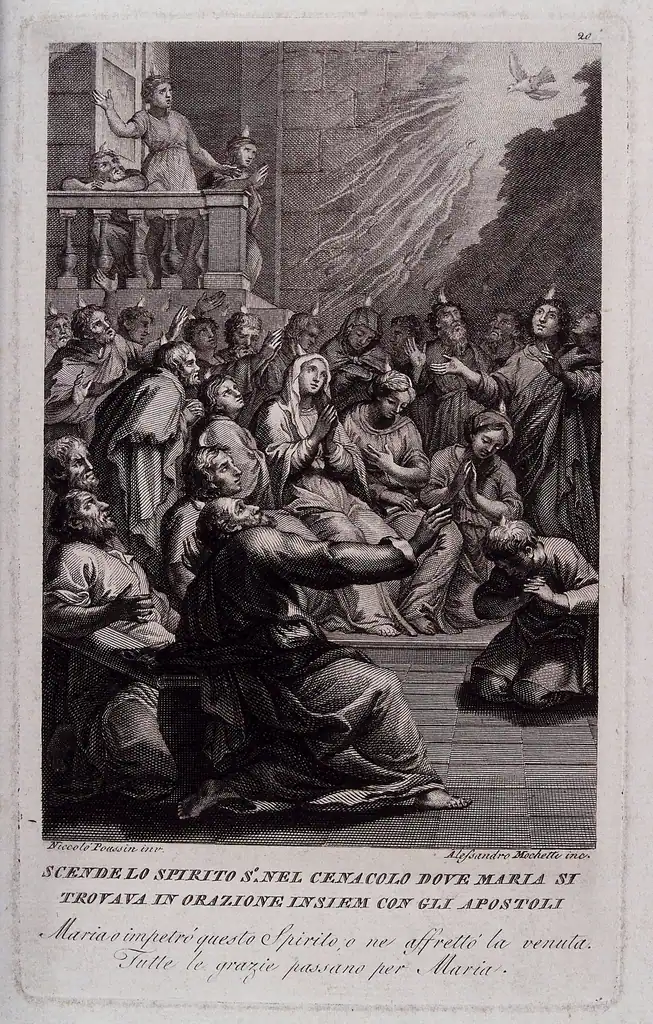
You have heard His name at every Mass, every Baptism, every prayer. It may be time to meet Him. At a Glance: Pentecost SundaySolemnity: 50 days after EasterColor: RedCelebrates: The Descent of the Holy Ghost upon the Apostles—tongues as of fire—bringing Pentecost’s New Sinai / New Covenant fulfillment.Key Scripture: Acts 2:1–11; 1 Corinthians 12:3–7, 12–13; John 20:19–23 The Grandfather They Almost Missed In Gertrude Chandler Warner’s original Boxcar Children, four orphaned siblings find themselves alone in the world and afraid. Henry, Jessie, Violet, and Benny have heard about their grandfather, James Alden, but what they have heard has not made them eager to find him. The picture they have assembled…
-
Our Lady of Fatima: What Happened at Cova da Iria and Why It Still Matters
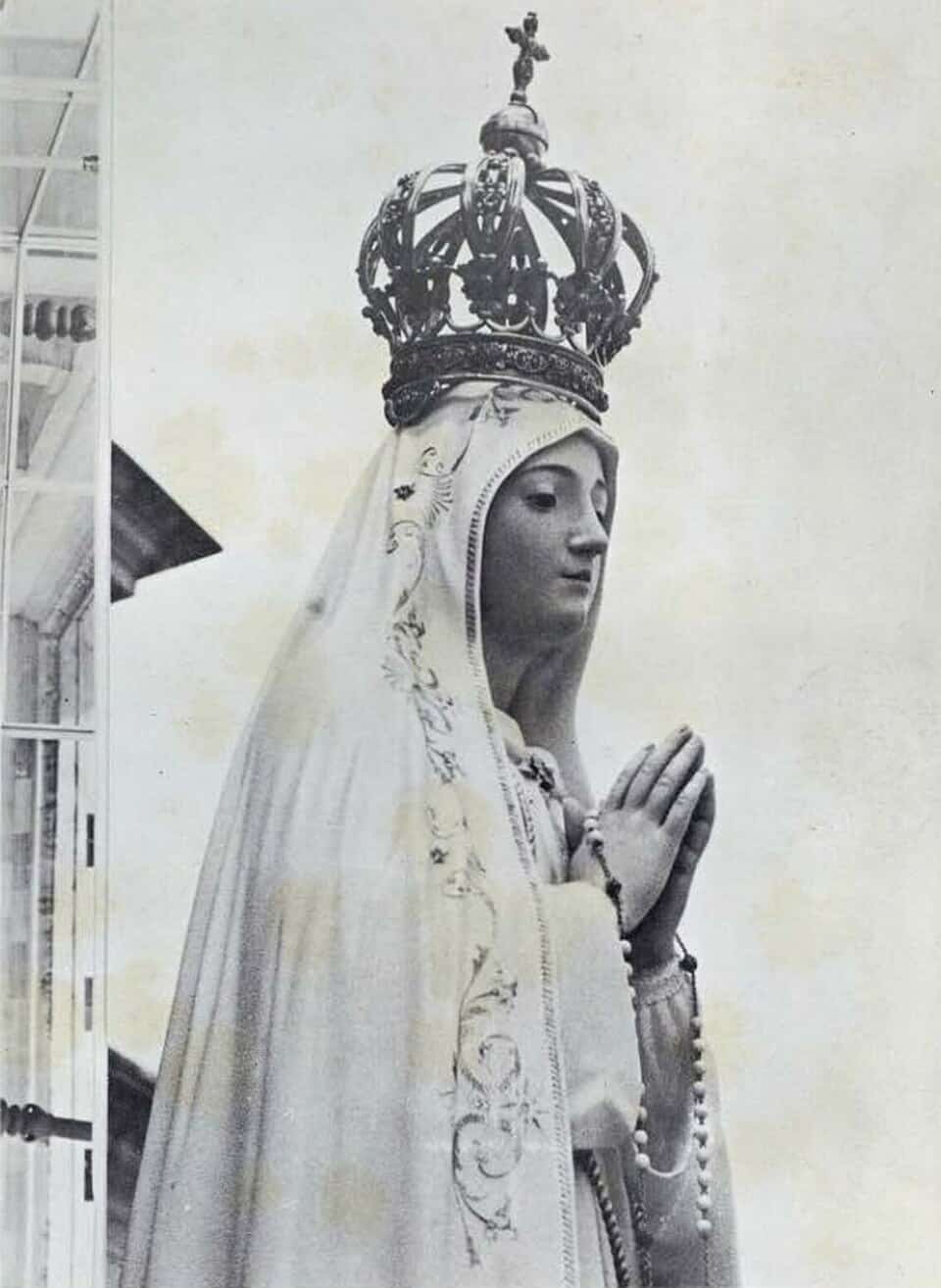
Three children, three secrets, and a message that keeps getting buried under the noise. At a Glance: Our Lady of FatimaFeast Day: May 13Apparitions: May 13 to October 13, 1917Location: Cova da Iria, near Fatima, PortugalSeers: Lucia dos Santos, Francisco Marto, Jacinta MartoApproved as worthy of belief: Diocese of Leiria, 1930 (traditional dating)Added to the universal calendar: 2002 (traditional dating)Francisco and Jacinta Marto canonized: May 13, 2017, by Pope FrancisLucia dos Santos: Died February 13, 2005; cause for beatification opened A Field Outside a Small Village Portugal in 1917 is a country under pressure from every direction. The nation had abolished its monarchy just seven years earlier and was still…
-
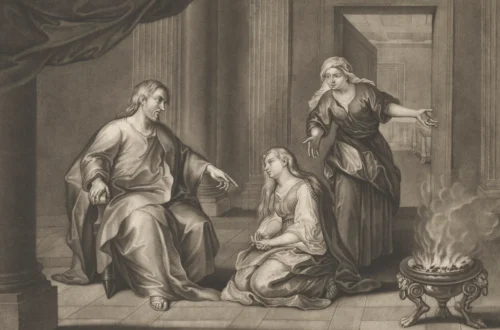
Martha Became a Saint Too
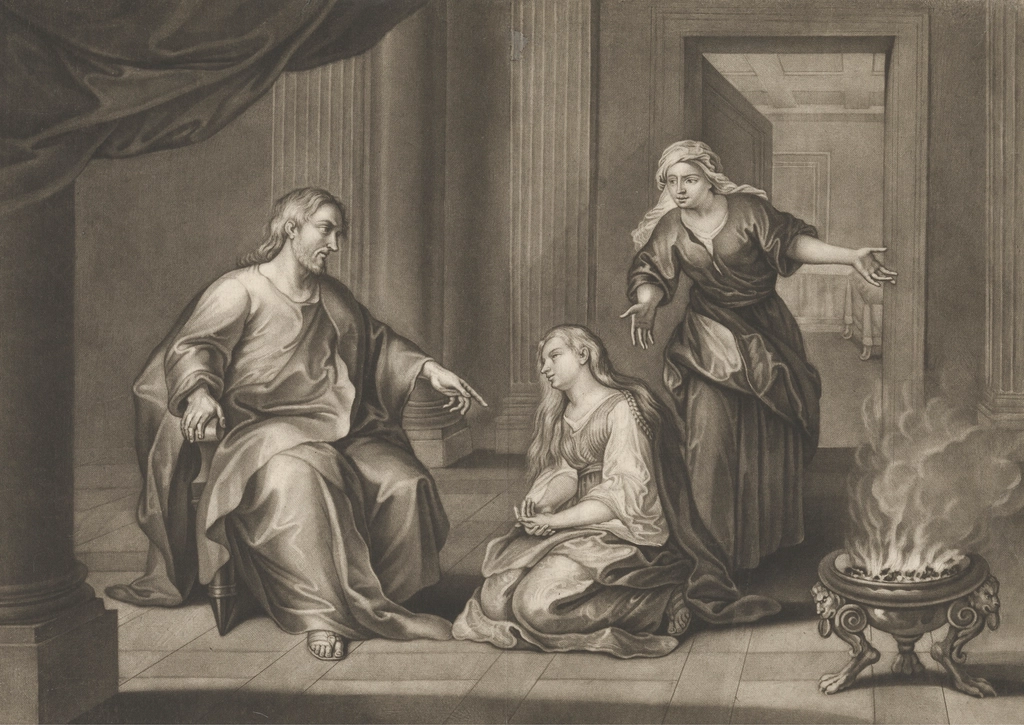
She was busy, worried, and sometimes got it wrong. So do we. That’s not the end of the story. St. Martha (Virgin) – Sister of Mary and Lazarus of Bethany Feast Day: July 29 Died: First century Venerated: From antiquity; commemorated in the Church’s liturgical calendar Known for: Hospitality and faithful service to Christ I. The One Who Kept the House There is a village called Bethany, about two miles east of Jerusalem on the far slope of the Mount of Olives, and in that village there is a house where Jesus is welcome. Not merely tolerated or received with nervous deference, the way a rabbi might be received by…
-
Athanasius Against the World: The Bishop Who Refused to Let Go
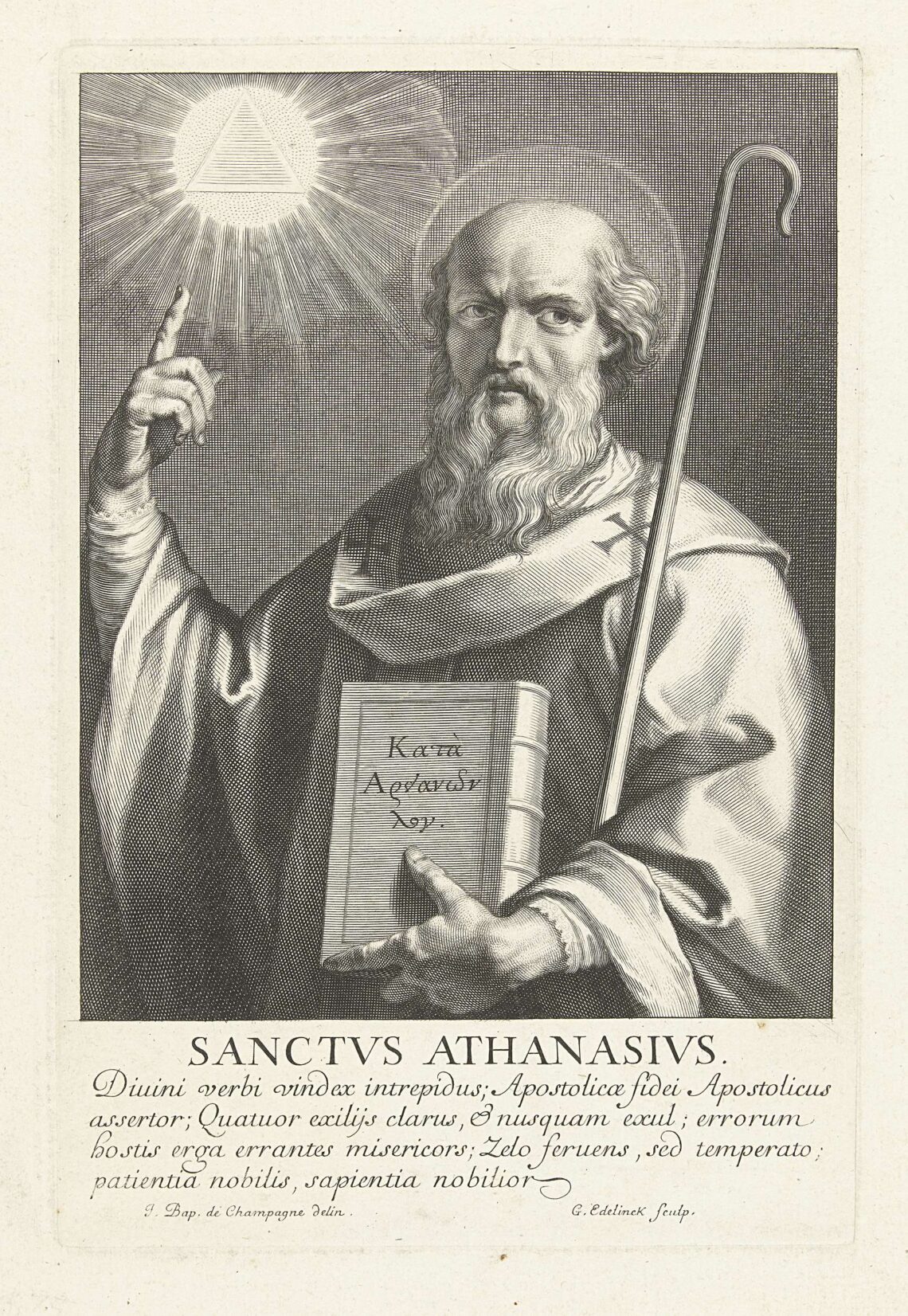
One council. One creed. One bishop who would not let go of either. This is the story of Athanasius of Alexandria. Bishop and Doctor of the ChurchFeast Day: May 21Born: c. 296–298, Alexandria, EgyptDied: May 2, 373, AlexandriaBishop of Alexandria: 328–373Exiled: five times for defending Nicene orthodoxy against ArianismDoctor of the Church: affirmed in the Church’s liturgyKnown for: champion of the divinity of the Son / the Incarnation; “Father of Orthodoxy”; key witness connected to Nicaea I. One Man, One Creed In 325 AD, bishops from across the Christian world gathered at Nicaea and settled, in precise theological language, what the Church believed about Jesus Christ. The Son of God,…
-
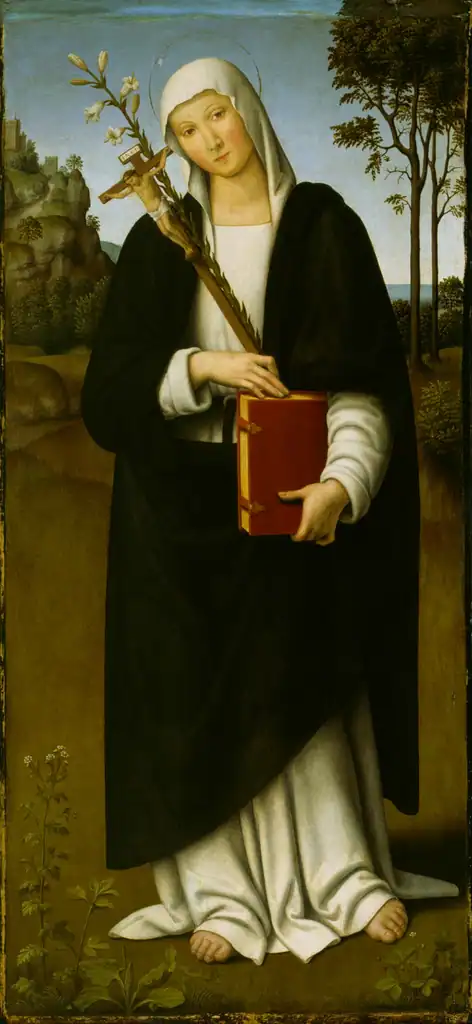
The Woman Who Told the Pope to Come Home: The Life and Mind of St. Catherine of Siena
She had no formal education, no political office, and no institutional authority. Popes listened anyway. St. Catherine of Siena Virgin and Doctor of the ChurchFeast Day: April 29Born: 1347, Siena, Italy Died: April 29, 1380, Rome, age 33Canonized: June 29, 1461 by Pope Pius IIDoctor of the Church: October 4, 1970 by Pope Paul VICo-Patroness of Europe: October 1, 1999 by Pope John Paul IIPatron of: Italy, nurses, the sick, and those ridiculed for their pietyInvoked against: fires, miscarriages, and temptations A Saint Worth Taking Seriously In 1376, a young Italian woman with no formal education, no political office, and no institutional authority wrote a letter to the Pope telling…
-
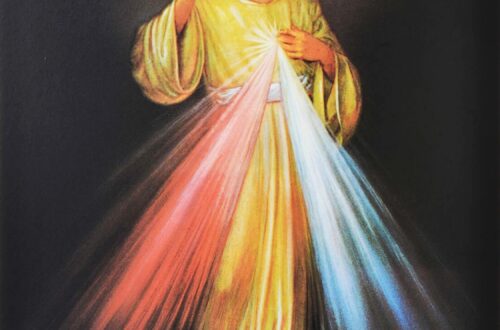
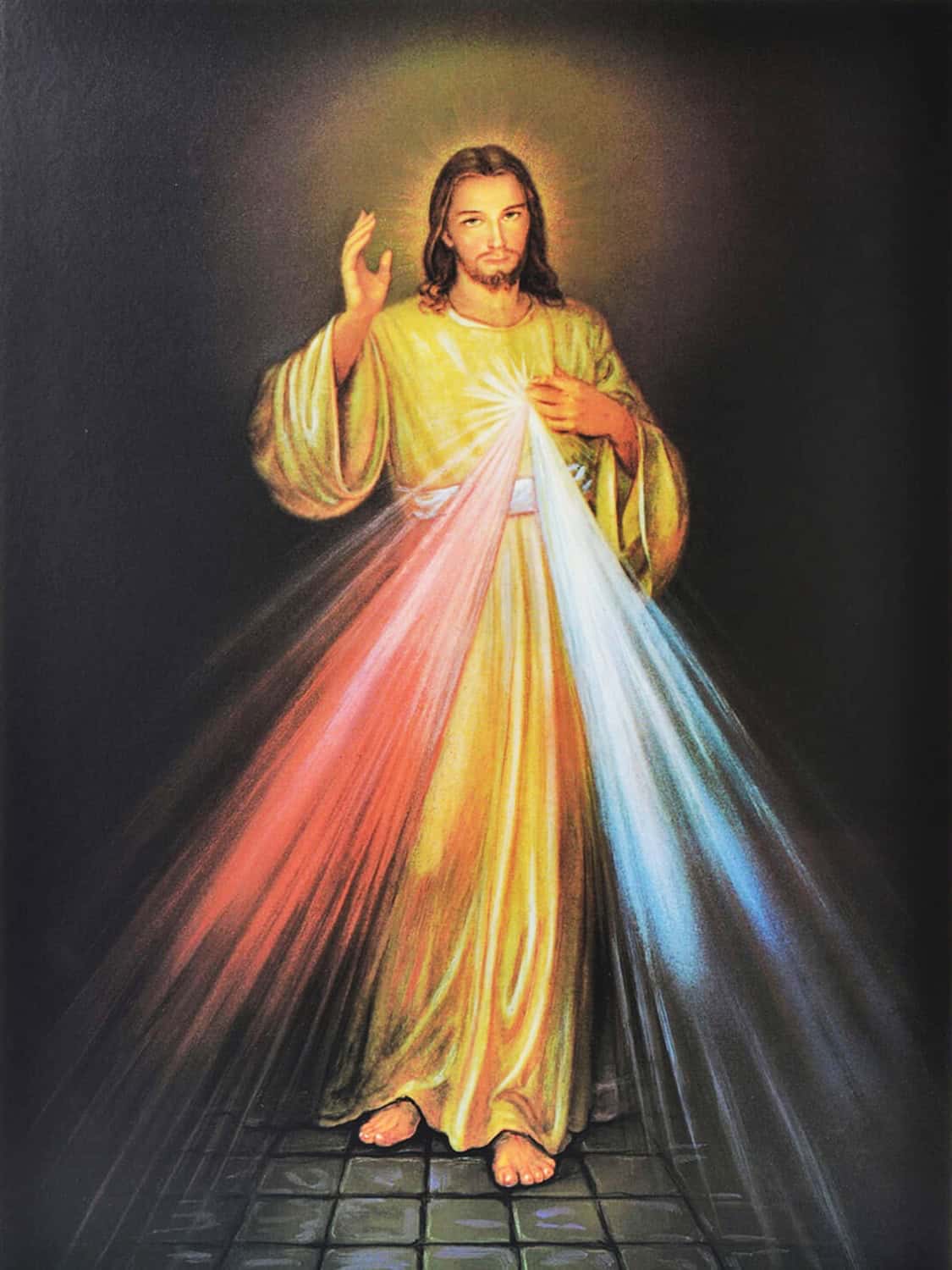
Divine Mercy Sunday: What It Is, How to Celebrate It, and Why It Matters
There is a moment, perhaps in the quiet of a difficult night or in the weight of a long-carried guilt, when the soul asks a desperate question: Can God truly forgive me? Divine Mercy Sunday exists, in part, as Heaven’s answer to that question — a resounding, tender, and unconditional yes. Celebrated every year on the Second Sunday of Easter, Divine Mercy Sunday is one of the most spiritually powerful feasts in the Catholic Church’s liturgical calendar. It is a day when the floodgates of God’s grace are opened wider than at any other time of the year — a day when Jesus Christ, who died and rose for every…
-
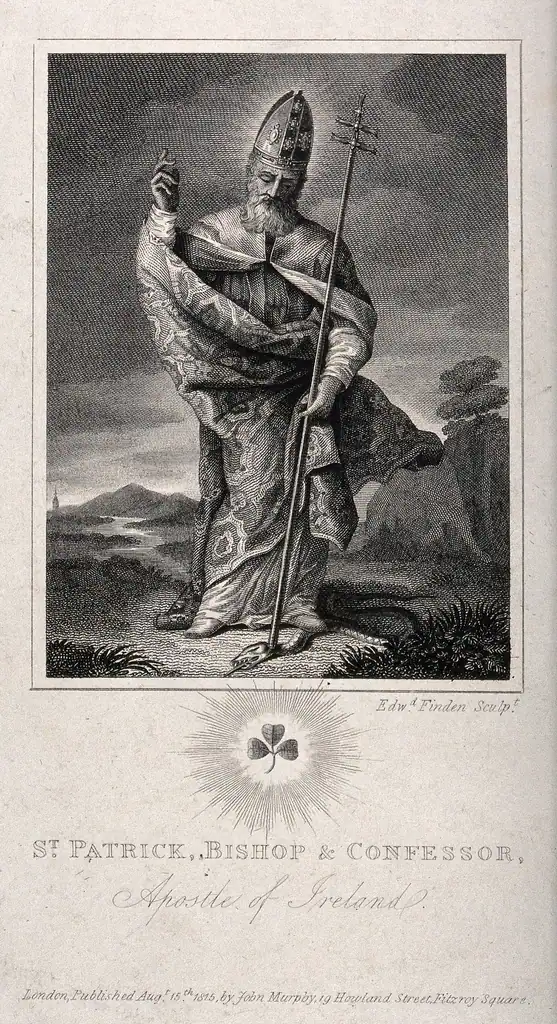
The Saint Behind the Shamrock: Who St. Patrick Actually Was
He was kidnapped as a teenager, spent six years as a slave, and escaped against all odds. Then he went back. This is the Patrick worth knowing. More Than a Holiday Every year on March 17, millions of people wear green, raise a glass, and celebrate a man most of them know almost nothing about. St. Patrick (c. 385–461 AD) has become so thoroughly wrapped in cultural tradition—the shamrocks, the parades, the rivers dyed green—that the actual person has largely disappeared beneath it. Which is a shame. Because the real Patrick is more interesting than any of it. He was not Irish by birth. He did not drive out literal…
-
Co-Redemptrix: A Title Worth Understanding — Even If the Church Asks Us Not to Use It
A Title That Stops Conversations Cold There is a word that has a way of stopping Catholic conversations cold — not because it is heretical, but because it sounds like it might be. Co-Redemptrix. For many Catholics, the title feels like it goes too far. For many non-Catholics, it sounds like proof that the Church worships Mary. And for anyone who has ever tried to explain it at a parish discussion or family dinner, it can feel like defusing a small theological bomb. But the discomfort around this title is worth sitting with — because the Church’s own careful reasoning about why it discourages the term turns out to be…
-
What Is Catholicism? A Clear Explanation of Catholic Beliefs and the Life of the Church
I. Introduction: More Than a Religion If you’ve ever stepped into a Catholic church and wondered what it all means — the candles, the kneeling, the prayers that seem ancient and deliberate — you’re not alone. Catholicism is often misunderstood. Some see it as a system of rules. Others assume it’s a cultural inheritance, a set of rituals passed down without much thought. Still others think it’s primarily about moral expectations or institutional authority. But at its heart, the Catholic faith is not first a system. It is a relationship. It begins with a Person — Jesus Christ — and the life He invites us into through His Church. The…