When Trying Harder Stops Working: The Grace of Peace You Can’t Earn
There comes a point in the life of faith when effort stops working.
Not because we’ve stopped believing, but because we’ve started trying too hard to believe.
Many of us are wired to push — to keep momentum going, to solve, to fix. We approach life like a project that just needs better management. Even prayer becomes another task: if I can just focus harder, pray longer, discipline myself more, then maybe I’ll finally feel close to God.
But effort can quietly turn against us. We do all the right things and still end up weary, anxious, unsatisfied. We mistake exhaustion for holiness, and when peace doesn’t follow, we assume something is wrong with us — or worse, that God has gone quiet.
And yet, sometimes peace comes precisely when we stop trying to create it.
It comes like air when you’ve forgotten how to breathe — like realizing you can rest without everything being resolved.
It’s the grace you can’t earn, but somehow receive.
When Effort Becomes Its Own Burden
For much of my life, effort has been my language of love.
If I care, I try harder.
If I fall short, I double down.
But the spiritual life doesn’t always obey that logic.
In prayer, I sit down hoping for quiet — and within moments, I’m planning, analyzing, problem-solving. I want to surrender, but I’m too busy managing my surrender. I want to rest, but my heart doesn’t know how.
It’s not rebellion; it’s habit. The same drive that helps us persevere in work and family can turn faith into self-reliance. And when peace doesn’t come, we start trying to fix that too.
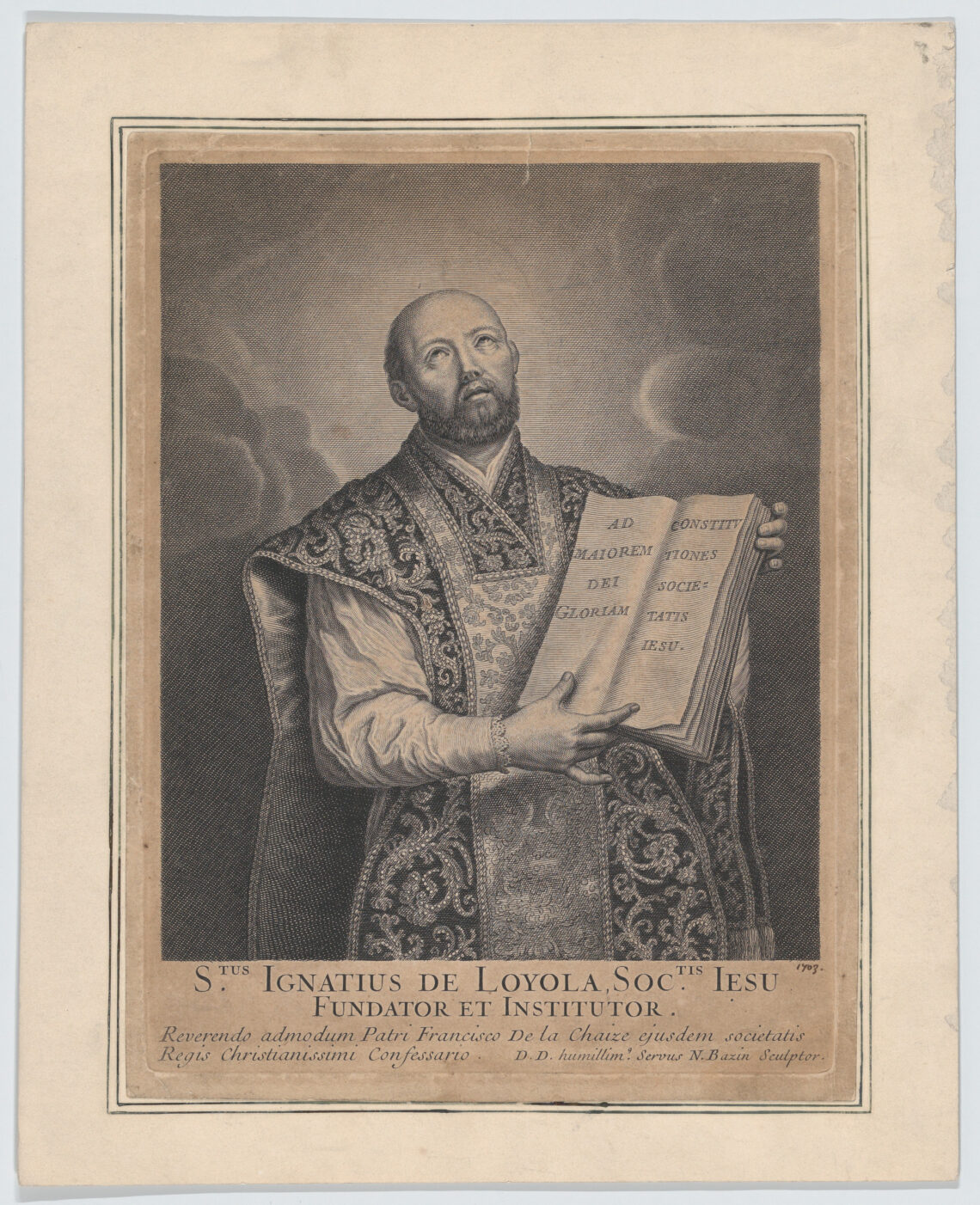
St. Ignatius of Loyola knew this struggle well.
The Soldier Who Tried to Earn Grace
Before he was a saint, Ignatius of Loyola was a soldier — driven, ambitious, unwilling to lose. When a cannonball shattered his leg, his life of conquest ended in an instant. The man who once sought victory through strength now faced stillness he could not escape.
During recovery, Ignatius asked for the chivalric tales he loved — stories of knights and battles that mirrored the life he still longed to return to. But none were available. The only books in the house were The Life of Christ and The Lives of the Saints.
So he read them, reluctantly at first. His imagination still ran toward duels and damsels, but something began to stir. He noticed that when he dreamed of worldly triumph, he felt restless and hollow; when he imagined serving God, he felt peace. He hadn’t yet surrendered his old life, but grace was already working beneath the surface — the old fire of ambition being quietly redirected toward God.
Still, the change did not come easily. Ignatius carried his same fierce intensity into his spiritual life, determined to conquer holiness the way he once conquered battlefields. He prayed, fasted, and punished himself with extremes — chasing perfection through sheer effort. But instead of peace, he found himself anxious, scrupulous, and spiritually exhausted: a man trying to earn what can only be received.
Later, he would call this desolation — the dark fatigue that makes faith feel heavy. He warned that the enemy twists even good desires into restless striving, pushing us to chase even good things with frantic energy until we burn out.
“It is characteristic of the evil spirit to cause gnawing anxiety, to sadden, to place obstacles, to disturb the soul with false reasons, so as to prevent it from going forward.”
When that darkness comes, Ignatius’s most famous rule applies:
“In times of desolation, never make a change.”
Don’t quit. Don’t rewrite your worth or your calling in the dark. Just hold still.
Because in that stillness, something began to shift for Ignatius. He started to discern the quiet movements of his heart — learning to tell which desires led him toward God and which led him away. It was the beginning of what he would later call the discernment of spirits — the wisdom born not of control, but of surrender.
The Freedom Ignatius Found
From that stillness, Ignatius began to see that peace isn’t achieved through effort, but through alignment — when the soul finally desires what God desires.
In time, he wrote what became the foundation of his Spiritual Exercises, a guide for those worn thin by striving. Its wisdom was simple: everything in life — success and failure, joy and sorrow, gain and loss — can serve the same end if they lead us closer to God. And anything that pulls us away, no matter how good it seems, is not for us.
He called this freedom holy indifference.
Not apathy, but freedom of heart to choose what leads more to God.
Not detachment from life, but release from the need to control it.
To love God in all things, we must stop clinging to any single thing.
To rest in grace, we must let go of the illusion that we can produce it.
The Peace You Can’t Earn
In the stillness that follows surrender, peace often arrives without explanation. Not because the noise of life has faded, but because our hearts stop demanding that it must.
Ignatius called this consolation — the quiet strength that comes when trust finally replaces control. It doesn’t erase chaos; it redeems it.
There comes a moment in every life of faith when trying harder no longer helps. That isn’t failure; it’s invitation. God is less interested in our productivity than in our presence — less in what we can do for Him, and more in what we’ll let Him do within us.
Peace, it turns out, is not a reward for effort. It’s the fruit of letting grace be grace.
A Prayer
Father of mercy,
You have already given us everything in Your Son.
Free us from the need to prove our worth before You.
Let our striving give way to stillness,
our effort to rest,
our control to trust.
Grant us the peace we cannot earn,
the grace that only You can give.
Amen.
St. Ignatius of Loyola, pray for us.


You May Also Like

The Saint Behind the Shamrock: Who St. Patrick Actually Was
Have We Forgotten the Greatness of God?
